
Introduction
In today’s fast-paced digital world, businesses rely heavily on online advertising to reach their target audiences. One of the most crucial aspects of running a successful campaign is understanding the types of ad formats available. The right format can significantly impact user engagement, conversion rates, and brand awareness. From display banners to native ads, video content, and interactive experiences, marketers have numerous options to choose from depending on their goals.
This article explores the major ad formats in digital marketing, their benefits, and how businesses can leverage them for success.
1. Display Ads
Display ads are one of the oldest and most common formats in online advertising. They typically appear as banners, images, or sidebars on websites and mobile apps.
- Examples: Banner ads, skyscraper ads, leaderboard ads.
- Benefits: High visibility, easy targeting, and measurable performance.
- Best Use: For raising brand awareness and visibility across different platforms.
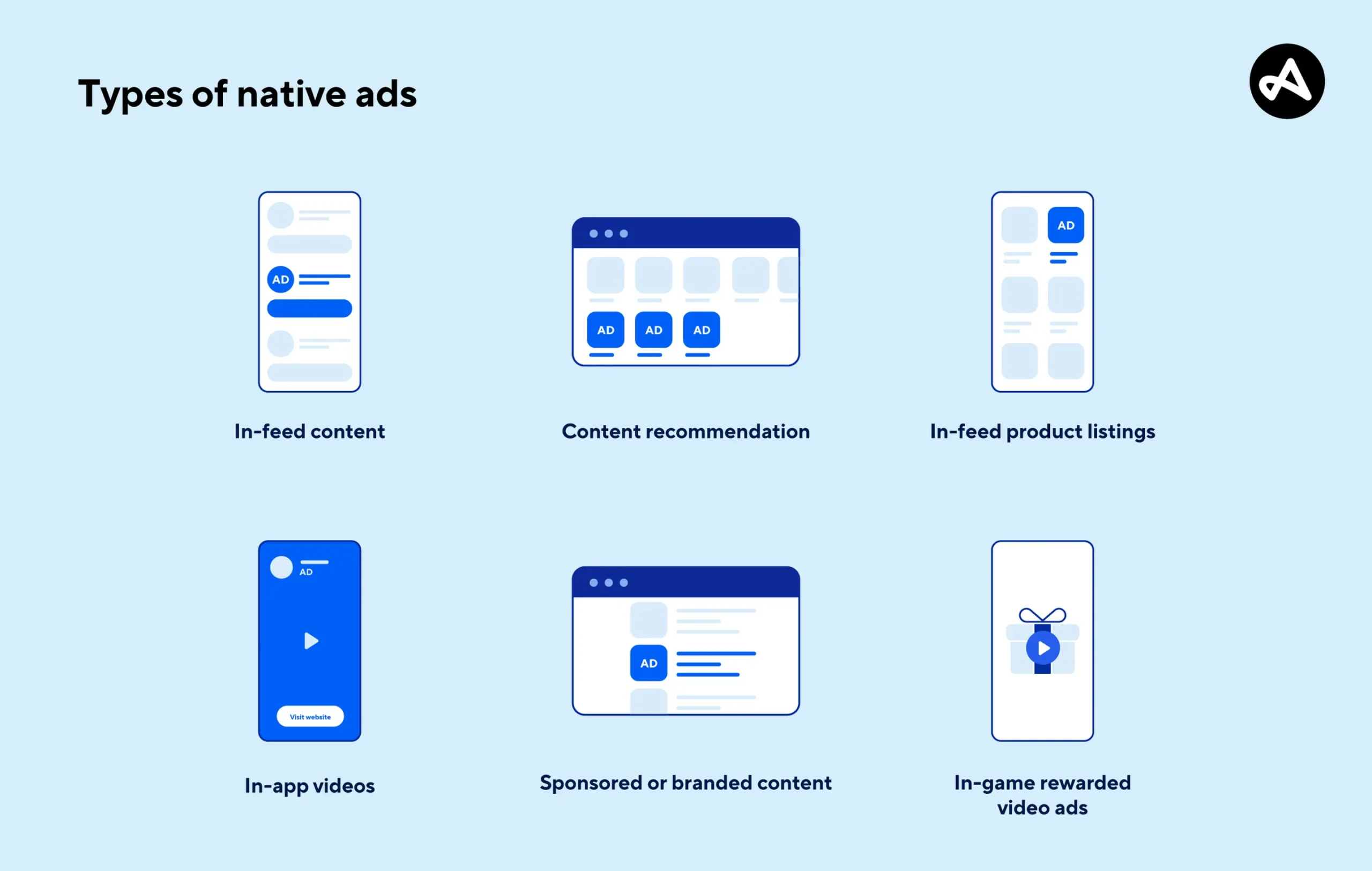
2. Native Ads
Native advertising blends seamlessly with the platform’s content, making them less intrusive and more engaging for users.
- Examples: Sponsored blog posts, in-feed social media ads.
- Benefits: Higher engagement, non-disruptive, and trust-building.
- Best Use: For content-driven campaigns where storytelling is essential.
3. Video Ads
With the rise of platforms like YouTube, TikTok, and Instagram Reels, video ads have become extremely popular.
- Examples: Pre-roll, mid-roll, post-roll, and in-feed videos.
- Benefits: High engagement, emotional storytelling, and better retention rates.
- Best Use: For brand storytelling, product demonstrations, and emotional appeal.
4. Social Media Ads
Social platforms like Facebook, Instagram, LinkedIn, and Twitter offer a variety of ad formats.
- Examples: Carousel ads, story ads, sponsored posts.
- Benefits: Highly targeted, interactive, and cost-effective.
- Best Use: To reach niche audiences and boost engagement.
5. Search Ads (PPC)
Search engine ads appear at the top of search engine results pages (SERPs).
- Examples: Google Ads, Bing Ads.
- Benefits: Intent-driven targeting, measurable ROI, immediate results.
- Best Use: For businesses targeting users actively searching for their products/services.
6. Rich Media Ads
Rich media ads include interactive elements like animations, polls, and mini-games.
- Examples: Expandable banners, playable ads.
- Benefits: Interactive, engaging, and memorable.
- Best Use: To boost brand recall and customer engagement.
7. Email Ads
Advertising via email campaigns remains a powerful format.
- Examples: Newsletter ads, sponsored email blasts.
- Benefits: Personalized, direct, and cost-effective.
- Best Use: For nurturing leads and retaining existing customers.
Conclusion
The types of ad formats available today provide marketers with countless opportunities to connect with audiences. Choosing the right format depends on campaign goals, budget, and target audience. Whether it’s the visual impact of display ads, the authenticity of native ads, or the storytelling power of video ads, businesses can create tailored strategies to maximize success in the digital landscape